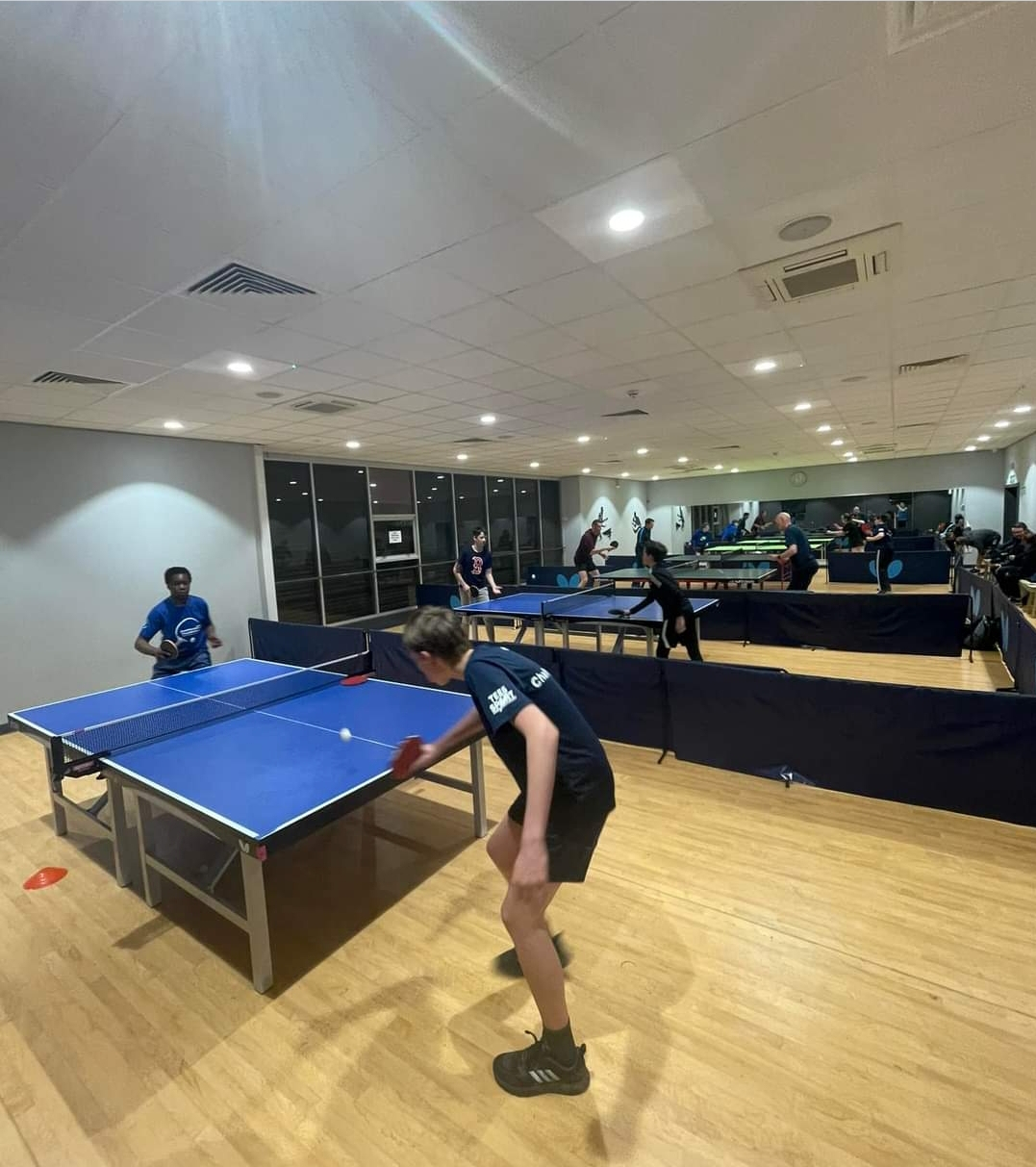
Mastering the Art of Spin: Techniques to Elevate Your Ping Pong Game
Mastering the art of spin is essential for any aspiring ping pong player looking to elevate their game. Spin can significantly affect the ball's trajectory and how it behaves upon hitting the table, making it a crucial element in both offensive and defensive play. To start mastering spin, focus on your grip and the angle of your paddle. A common technique is the topspin, which involves brushing up the back of the ball while striking it. This technique allows for a controlled bounce and increased speed, making it harder for your opponent to return. Additionally, underspin adds a layer of strategy, as it causes the ball to skid along the table, often resulting in low bounces that can catch an opponent off guard.
Another vital spin technique is the sidespin, which can be particularly effective in creating unpredictable ball movement. To execute sidespin, apply pressure to the left or right side of the ball while hitting it, resulting in a lateral curve. Practicing these various spins consistently will not only improve your shots but also enhance your overall game strategy. Remember to keep your eye on the ball and adjust your positioning to allow the spin to work in your favor. As you refine these spin techniques, you’ll find that mastering the art of spin will give you a distinct edge over your competition.
Strategic Mindsets: How to Outplay Your Opponent in Ping Pong
In the fast-paced game of ping pong, having a strategic mindset is crucial to outplay your opponent. Understanding your opponent's strengths and weaknesses can provide you with the insights necessary to devise a winning strategy. Start by observing their playing style: do they favor powerful forehands, or are they more comfortable with precise backhands? Use this knowledge to adapt your game plan, positioning yourself effectively to exploit any gaps in their defense. Additionally, consider employing tactics such as varying the speed and spin of your shots to keep your opponent guessing.
Another effective strategy is to maintain mental composure throughout the match. A strong strategic mindset involves not just physical skill but also psychological tactics. Stay focused and avoid getting flustered by your opponent's plays. This can be achieved through practices like
- visualization techniques: imagine yourself succeeding in every rally,
- positive self-talk: encourage yourself between points,
- staying present: concentrate on each point rather than the overall match score.
What Makes Spin So Important in Table Tennis? Unraveling the Science
Spin is a critical element in table tennis, influencing the trajectory, speed, and ultimate behavior of the ball during rallies. Understanding the different types of spins—such as topspin, backspin, and sidespin—can drastically affect a player's performance. For instance, topspin causes the ball to dip quickly, allowing for aggressive attacks and more control over the shot. Conversely, backspin slows down the ball and can make it challenging for opponents to execute their returns effectively. Mastering these various spins requires not only practice but also a solid grasp of the physics behind how spin interacts with the paddle and the table surface.
The science of spin extends beyond mere technique; it includes principles of aerodynamics and friction. When a player strikes the ball with a certain angle and speed, the resulting spin creates a distinct airflow around the ball, impacting its movement. This phenomenon is further enhanced by the particular materials and textures of both the paddle and the ball, which can affect how much spin is imparted during a hit. Therefore, understanding the mechanics of spin not only elevates your gameplay but also adds a strategic layer to match tactics, where predicting and countering your opponent's spin can be the key to victory.