Top 10 Essential Tips for Maintaining a Healthy Aquarium
Maintaining a healthy aquarium is crucial for the well-being of your aquatic life. Here are top 10 essential tips to ensure your fish, plants, and other inhabitants thrive:
- Regular Water Changes: Change 10-15% of your aquarium water weekly to maintain water quality and reduce toxins.
- Monitor Water Parameters: Regularly test the pH, ammonia, nitrite, and nitrate levels to ensure they remain within suitable ranges. Use reliable test kits and refer to sources like Aquarium Co-op for more guidance.
- Filter Maintenance: Clean or replace filter media as needed to promote effective filtration and reduce harmful bacteria.
- Avoid Overfeeding: Feed your fish only what they can consume in a few minutes to avoid excess waste and water pollution.
- Provide Proper Lighting: Ensure your aquarium is well-lighted for 8-12 hours daily to promote plant growth and fish vitality.
In addition to the above tips, keeping your aquarium clean and well-maintained is essential. Here are more tips to consider:
- Introduce Compatible Species: Research fish compatibility to avoid aggressive behavior and stress among inhabitants.
- Utilize Live Plants: Incorporating live plants can help maintain water quality by absorbing excess nutrients. Check out The Planted Tank for insights on plant care.
- Avoid Stress: Minimize stress by providing hiding spots and appropriate tank mates for your fish.
- Regularly Inspect Fish: Observe your fish daily for any signs of illness or distress, and act promptly.
- Educate Yourself: Stay informed about aquarium maintenance through reliable resources and communities, such as FishLore.
Common Mistakes New Aquarium Owners Make and How to Avoid Them
Becoming an aquarium owner can be an exciting journey, but many new enthusiasts often fall into common pitfalls that can jeopardize their aquatic ecosystem. One mistake is overstocking the tank, which leads to poor water quality and stressed fish. It's crucial to research the recommended number of fish for your specific aquarium size and type. Additionally, skipping the cycling process can result in ammonia spikes that are harmful to your fish. Taking the time to properly cycle your aquarium helps establish beneficial bacteria that break down waste.
Another frequent issue is neglecting regular maintenance. New aquarium owners might underestimate the importance of water changes and tank cleanings, which are essential for maintaining a healthy environment for your aquatic pets.
- Perform regular water tests to monitor pH, ammonia, and nitrate levels.
- Change 10-15% of the water weekly to ensure optimal conditions.
- Clean the substrate and décor to prevent harmful algae growth.
What Fish Are Best for Beginners? A Complete Guide
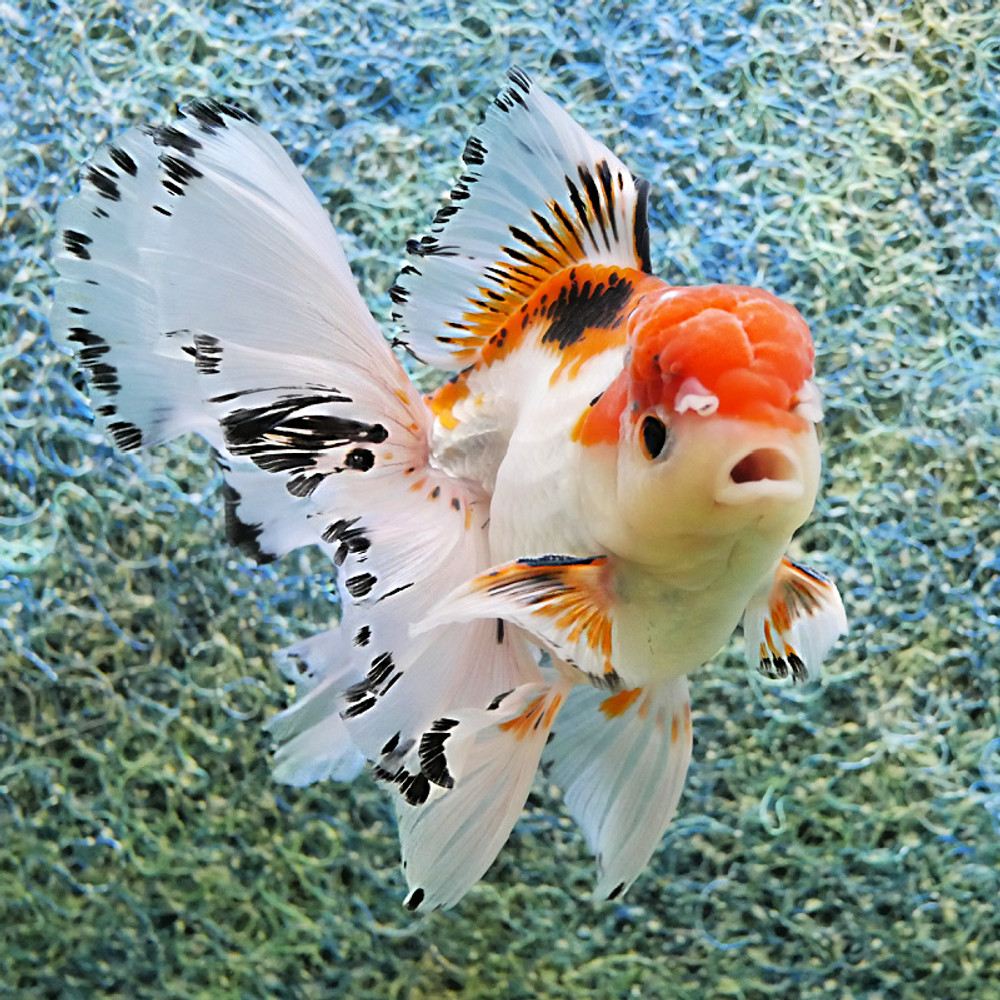
Choosing the right fish is crucial for beginners starting their aquatic journey. Betta fish are often recommended for newcomers due to their vibrant colors and relatively easy care. They thrive in smaller tanks, but it's essential to keep them alone or with non-aggressive species to prevent any harm. Another excellent choice is the goldfish, a classic staple that can live for many years when properly cared for. However, it's vital to provide them with a spacious tank, as they grow larger than many expect. For further details on Betta care, check out this Betta fish care guide.
For those looking to venture beyond the common choices, neon tetras offer a beautiful addition to a community tank. They are peaceful, and their small size allows you to keep several together, creating a vibrant shoal. If you're interested in something a bit more interactive, consider guppies, which come in various colors and are known for their hardy nature. It's important to ensure a proper tank cycle and water quality for any fish, so be sure to read more on maintaining a healthy aquarium in this aquarium cycling guide.